
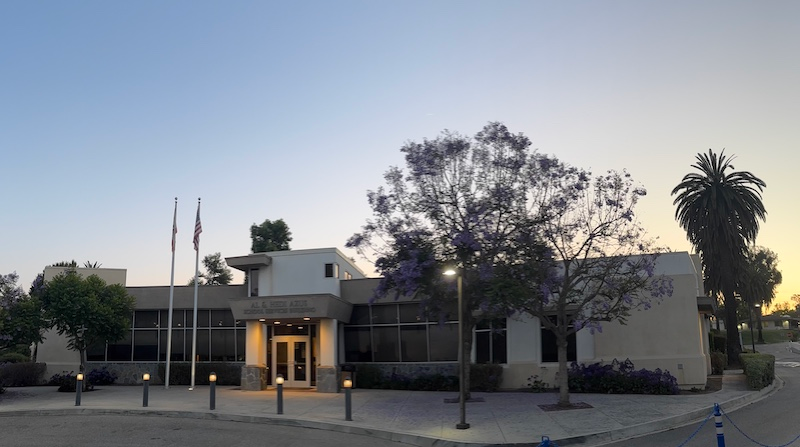
Mastering Outdoor Lighting Compliance: The NRCA-LTO-02-A Form
As California pushes forward with stricter energy efficiency standards, outdoor lighting systems are no exception. Governed by Title 24, Part 6 of the California Energy Code, outdoor lighting installations must meet rigorous requirements for energy performance and automated control. Central to compliance verification is the NRCA-LTO-02-A form—used in Acceptance Testing to ensure outdoor lighting controls perform as intended.
In this article, we break down the NRCA-LTO-02-A form and explain how to navigate the acceptance testing process with confidence and precision. Whether you’re a contractor, engineer, or lighting designer, understanding this process is essential to avoid delays and ensure your project meets state code.
The NRCA-LTO-02-A form is a required acceptance test document used to verify that outdoor lighting control systems comply with Title 24’s mandatory measures. Completed by a certified Acceptance Test Technician (ATT), the form documents the performance of key automated control strategies, including:
• Photosensors
• Astronomical time switches
• Motion sensors or occupancy controls
• Manual override restrictions
Outdoor lighting systems must demonstrate that they automatically reduce or shut off lighting during periods of non-use and respond correctly to ambient light levels and time-based events.
One of the most critical components of outdoor lighting compliance is verifying that control devices—especially photosensors and motion sensors—are properly calibrated and follow the correct sequence of operations.
Technicians assess:
• Sensor placement and orientation
• Sensor field-of-view and coverage
• Threshold settings for on/off operation
• Sequencing between control layers (e.g., daylight sensor + motion sensor)
Improper calibration can result in excessive energy use or noncompliance with night-sky regulations.
Outdoor lighting controls must reliably respond to ambient light conditions and programmed schedules. ATT technicians simulate daylight and nighttime scenarios to confirm that:
• Photosensors turn off lighting when adequate daylight is present.
• Time switches activate and deactivate lights according to sunset/sunrise times or programmed hours.
• Systems restrict manual override duration to no more than 2 hours, as required.
Technicians also ensure systems prevent lighting from staying on continuously during daylight hours—one of the most common compliance failures.
Some frequently observed Title 24 violations in outdoor lighting systems include:
• Incorrect sensor placement leading to false triggers or failures
• Manual overrides with no automatic timeout
• Photosensors exposed to artificial light sources
• Time clocks not set to correct astronomical data or time zone
• Non-functioning motion sensors on security or pathway lighting
Identifying and correcting these issues early can prevent costly re-inspections or delays in project closeout.
To ensure outdoor lighting systems pass acceptance testing the first time, consider the following design and commissioning best practices:
1. Integrate controls early in the design process to avoid retrofit challenges.
2. Specify compatible, Title 24-compliant controls with clear documentation.
3. Place photosensors away from artificial light bleed and verify natural light exposure.
4. Include detailed control narratives in construction documents for installer guidance.
5. Conduct pre-functional testing before ATT visits to ensure smooth verification.
A collaborative approach between designers, installers, and commissioning agents can significantly improve code compliance outcomes.
Outdoor lighting plays a vital role in public safety and site aesthetics—but it must also meet California’s strict energy efficiency standards. The NRCA-LTO-02-A form is a critical tool in confirming your system’s compliance, ensuring not only energy savings but also successful permit closure.
By understanding the testing process, avoiding common pitfalls, and applying thoughtful design strategies, professionals can confidently navigate outdoor lighting acceptance testing.
Need Help with Outdoor Lighting Code Compliance? Our certified acceptance test team and lighting design consultants are ready to support your next project from submittal to sign-off. Contact us to schedule an evaluation or consultation by tapping our easy to use call buttons or contact forms.